

Hollywood Hills
City views, celebrated architecture and quick access to everything.
The Hollywood Hills rise above Sunset Boulevard between Beverly Hills and Griffith Park. They are part of the City of Los Angeles, and they divide into Hollywood Hills West and the hills east of the Cahuenga Pass.
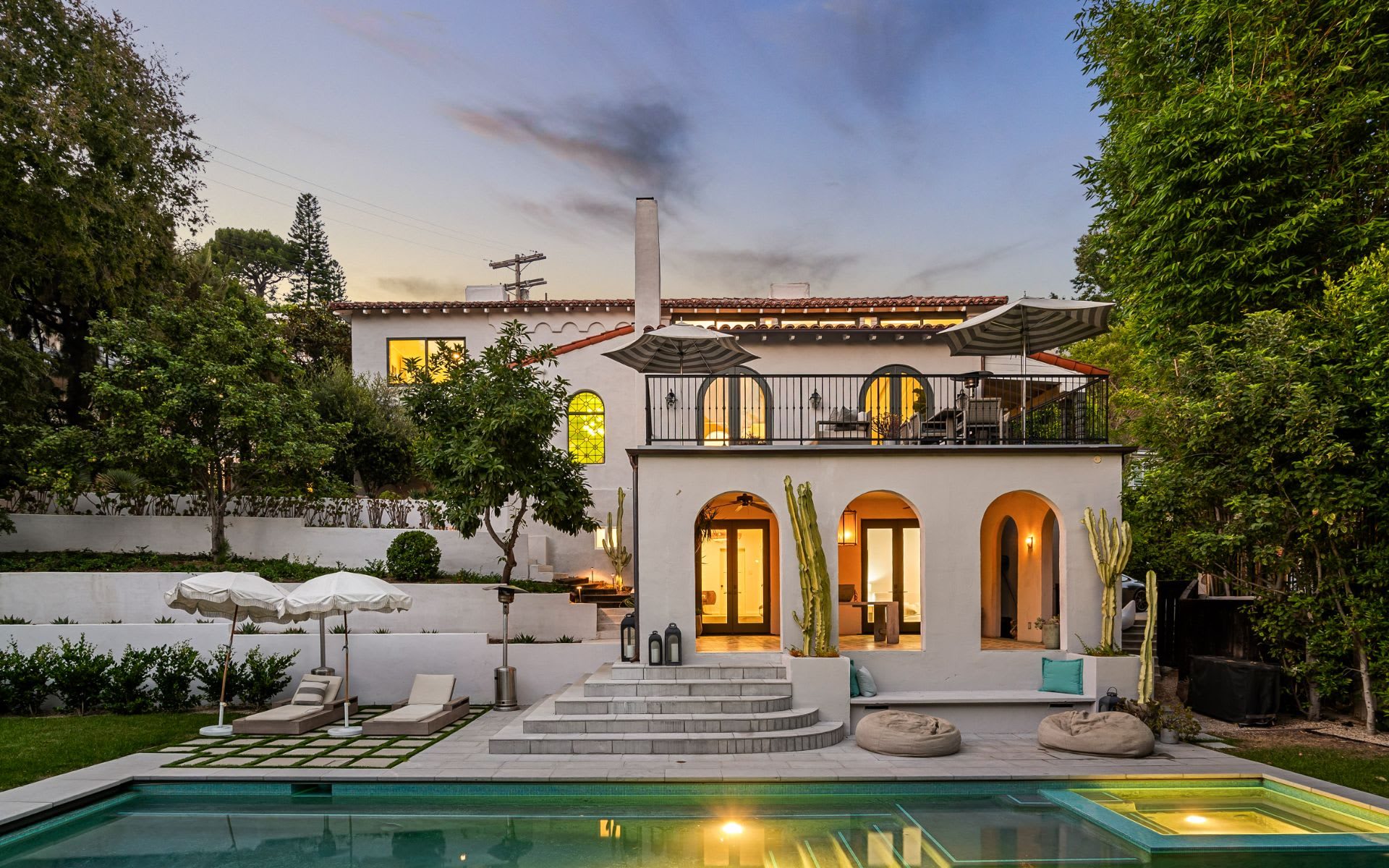
The area is known for view homes and architecture. Glass-walled modern homes with city views share the hills with 1920s Spanish homes and Mid-Century post-and-beam houses.
- City
- Los Angeles
- Key areas
- The Bird Streets, Sunset Plaza, Laurel Canyon, Outpost Estates, Beachwood Canyon
- Views
- City lights, the ocean on clear days, the canyons
- Architecture
- Modern, Mid-Century, Spanish Revival
The Enclaves
The Bird Streets, above the Sunset Strip, take their names from birds and hold some of the highest prices in the hills, with views from downtown to the ocean.
Sunset Plaza sits nearby, above the Strip. Laurel Canyon, to the east, is greener and more rustic, with a long history in music.
Outpost Estates, near Runyon Canyon, is a 1920s community of Spanish homes. Beachwood Canyon, below the Hollywood Sign, has a village feel of its own.
What Drives Value Here
The view is the first question: its direction, its width and whether a neighbor can block it. A wide view of the city and the ocean carries a large premium.
Next come the pad and the access: a flat yard, a pool, a driveway and parking are not certain in the hills, and buyers pay for them.
Architecture matters here more than in most areas. A home by a known architect can trade far above the price per foot of its street.
Where Hollywood Hills Sits
Common Questions
What are the Bird Streets?
The Bird Streets are a group of streets above the Sunset Strip named for birds, such as Oriole, Thrasher and Blue Jay. They are known for modern homes with wide city views.
Are the Hollywood Hills in the City of Los Angeles?
Yes. The Hollywood Hills are part of the City of Los Angeles, so Los Angeles hillside rules apply.
What should I check before I buy a hillside home?
Check the soils and geology report, the foundation, the permit history, the access and parking, and the cost of fire insurance.